




Links
Tech & Keywords
Overview
- Progressively upgraded the stack (Node.js 16 → 24, React 17 → 18, Next.js 12 → 15) and patched vulnerable dependencies, with no production disruption.
- Redesigned the Store Locator that 100k+ customers use to find their nearest store, with Google Maps address autocomplete and enrichment of missing store addresses.
- Built React components mapped to Contentful, letting business teams compose pages without developers, on a TanStack Query data layer.
- Owned releases end to end: feature-flagged rollouts with instant rollback, versioning and artifact delivery to Ops, and GitLab CI pipelines shared with Intermarché France.
Tech & Keywords
Overview
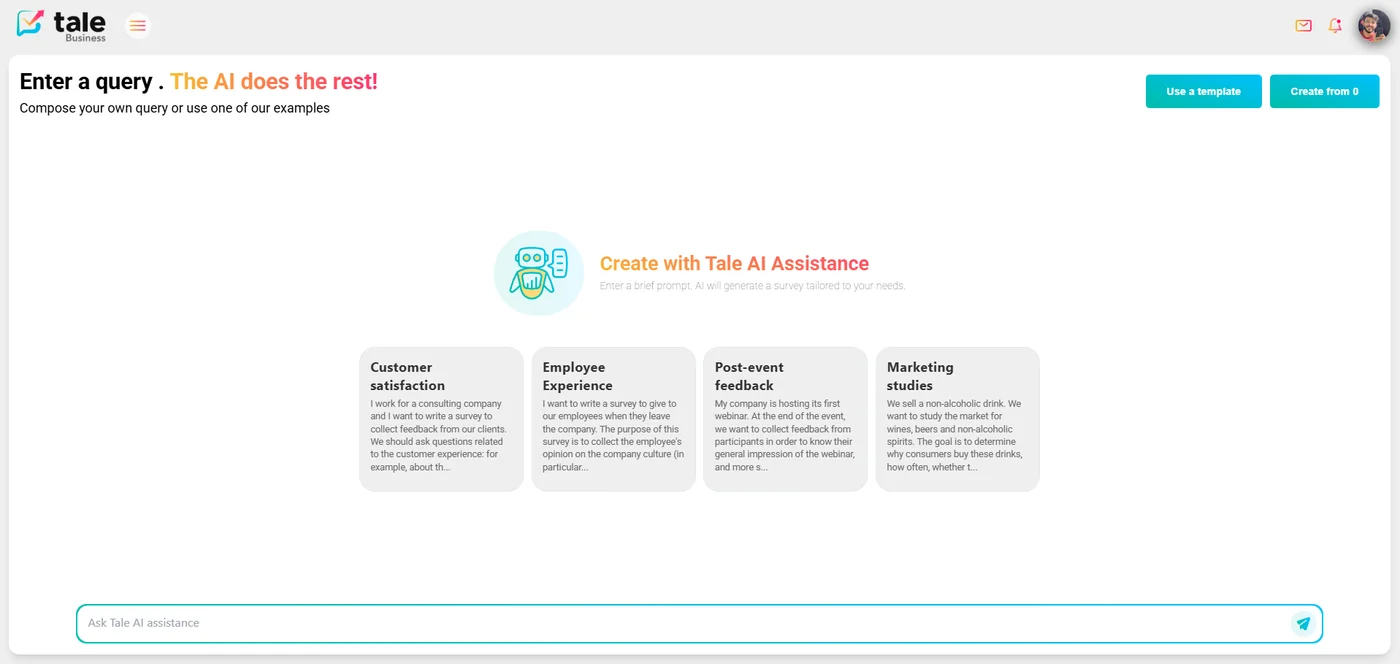
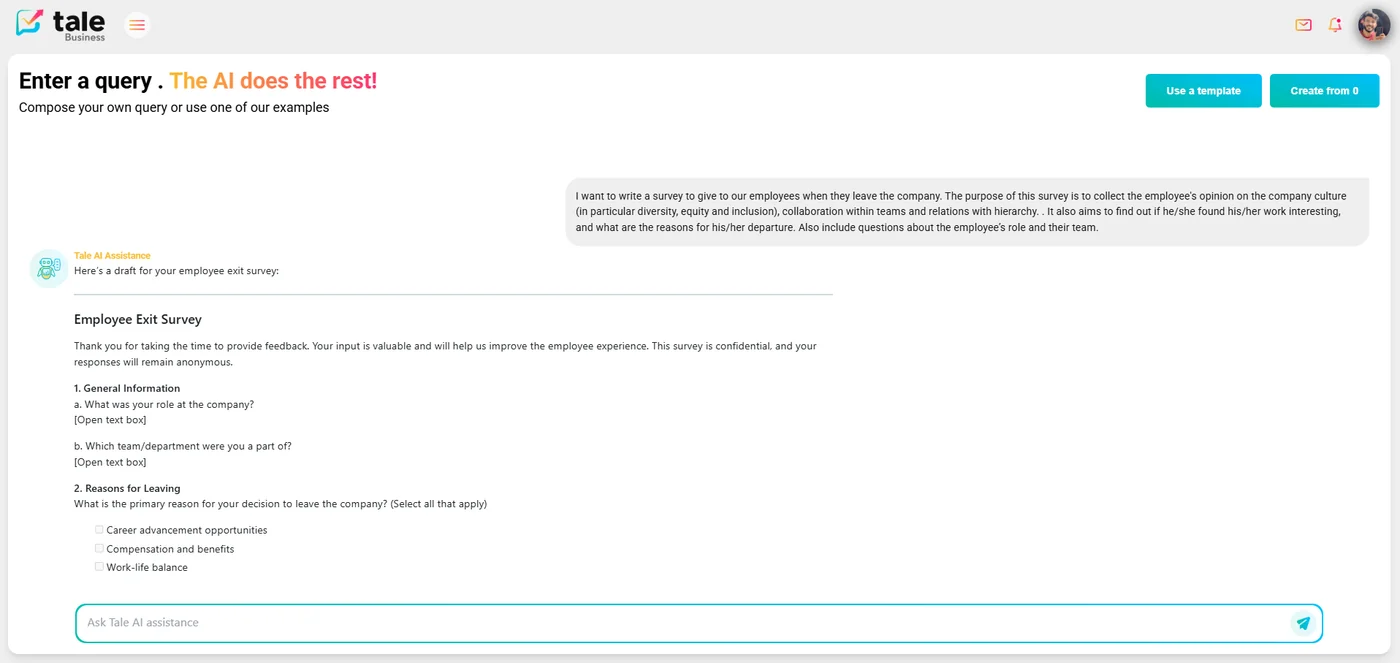
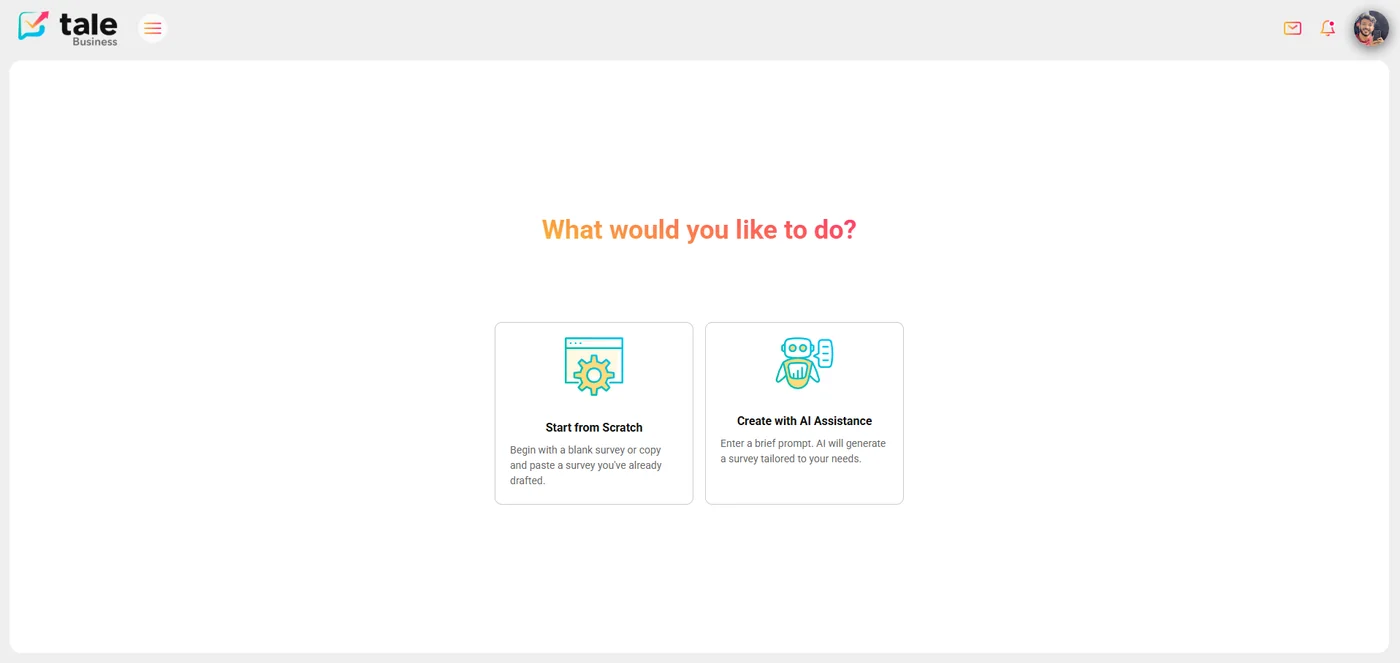
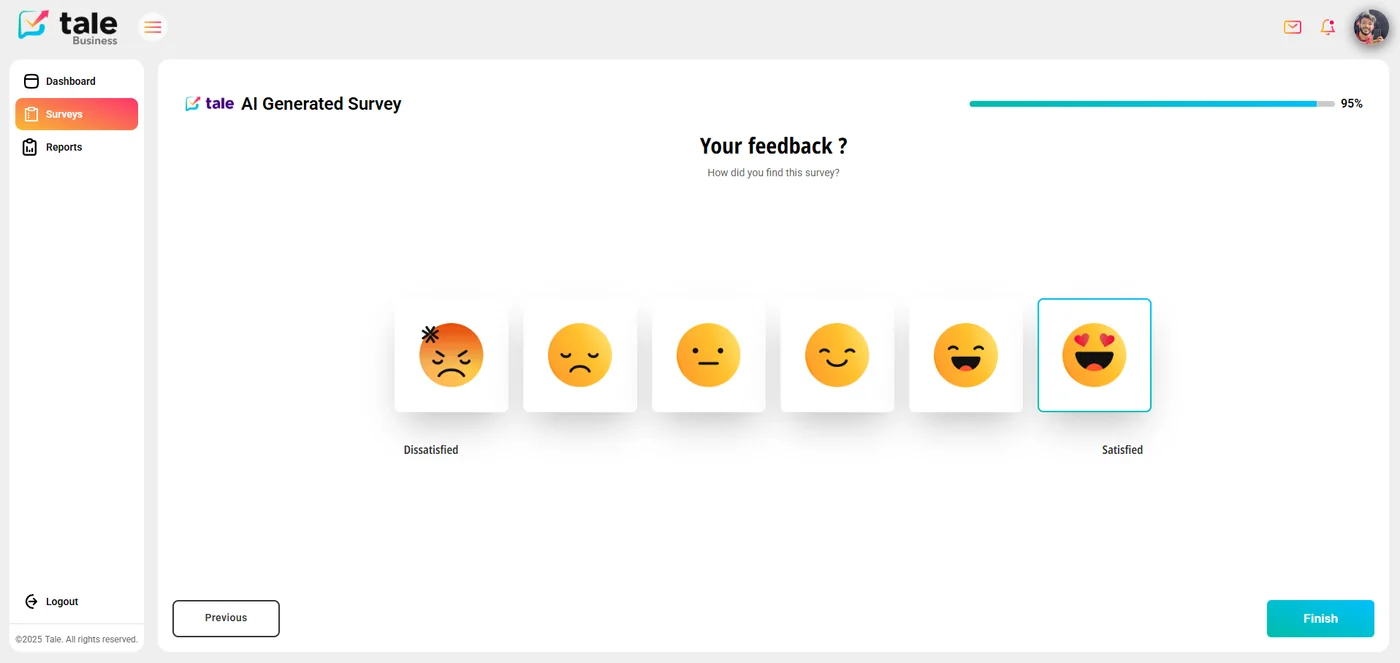
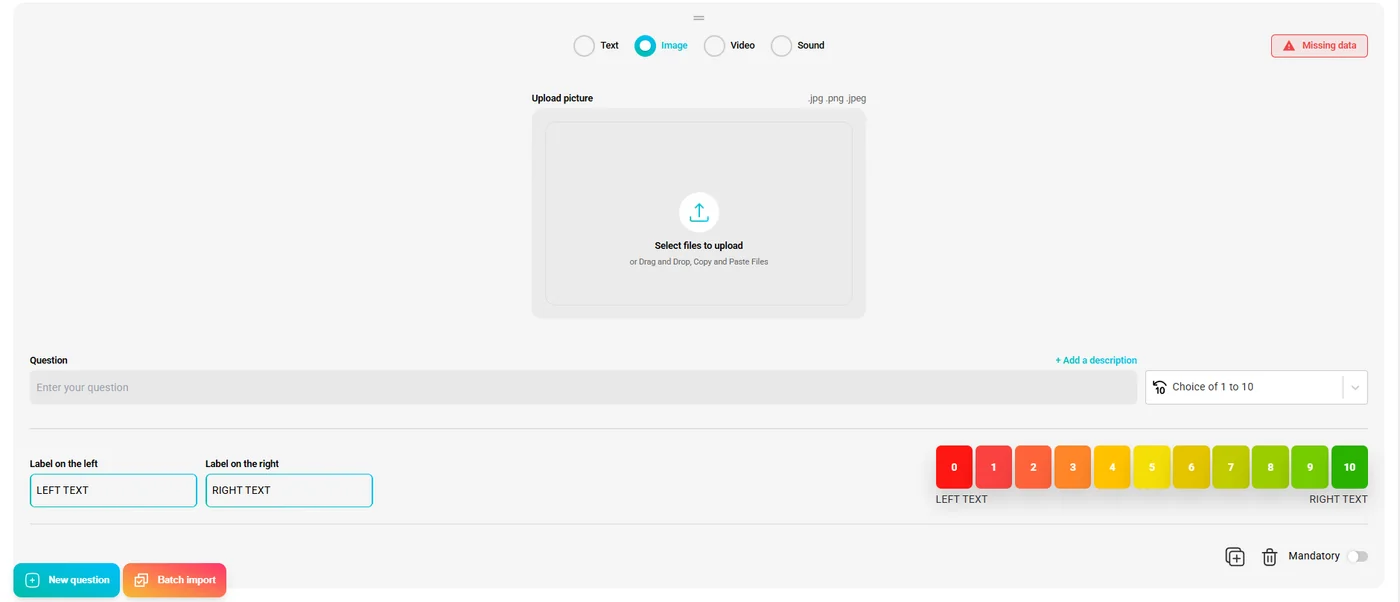
- AI chat interface that generates surveys automatically, with RBAC across standard, company, and admin roles.
- Demographic analytics dashboards (country, gender...) with an incentive system rewarding survey completions.
Gallery• 24 photos
Tech & Keywords
Overview
- Rental platform with payment integration, map-based search, real-time messaging, and smart listing notifications.
- Owner analytics via a reverse-proxied Grafana dashboard, with background jobs surfacing trending listings.
Gallery• 16 photos


Tech & Keywords
Overview
- Launch, schedule, and monitor pentest workflows in real-time against a target — with live progress and detailed results per attack.
- Extensible attack library with webhook notifications on discovered vulnerabilities.
Gallery
Tech & Keywords
Overview
- Unified console aggregating AWS, Azure, GCP, and Alibaba resources in near real-time via scheduled ingestion and provider APIs.
- Auto-maps cross-cloud relationships (ports, VPNs, peering) for security and FinOps visibility.
 TypeScriptExpert
 RedisAdvanced
 SeleniumHighly advanced
 AWSAdvanced

 TanStack QueryExpert
 ClickhouseAdvanced
 PostgreSQLExpert
 MySQLAdvanced
 Auth0Advanced
 ReduxExpert
 DockerHighly advanced
 ContentfulHighly advanced
 MongoDBAdvanced
 ReactJSExpert
 NodeJSExpert
 FigmaAdvanced
 CybersecurityAdvanced
 LinuxHighly advanced
 Prisma.ioExpert
 ExpressJSExpert
 GrafanaExpert
 NextJSExpert

 N8NExpert
 GitLab CIHighly advanced
 GitHubHighly advanced

 PythonHighly advanced
 TailwindCSSExpert
What's your current role and focus?
I'm a Lead Frontend Developer at Intermarché Portugal, working remotely on a high-traffic platform serving 100k+ users. My focus is on performance, scalability, and delivering business impact through clean engineering.
How do you handle legacy codebase migrations?
Incrementally — never a full rewrite. I isolate legacy boundaries, introduce a strangler layer, and migrate module by module with feature parity tests at each step. The goal is zero downtime and a codebase the team can actually own afterward.
How do you approach systems under high user load?
At IP-LABEL I worked within a dedicated load testing team using WebLoad to reproduce user scenarios via HTTP and Selenium, then inject virtual clients to simulate high traffic. We pushed systems to an all-time high of 40 million parallel users — stress-testing at a scale most engineers never get near.

Can you give an example of measurable impact from your work?
At IP-LABEL I engineered a ClickHouse-based datalake that reduced cloud storage costs by 7x compared to AWS S3, while improving query performance for analytics dashboards. I also built UI/UX improvements that shipped to 100k+ users at Intermarché Portugal.